

Introduction
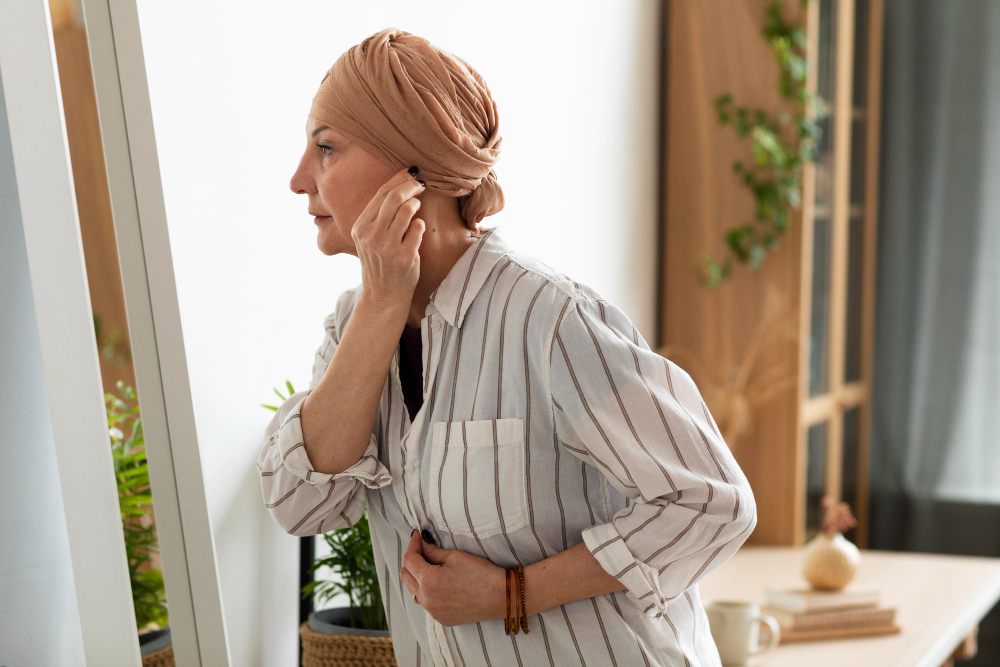
Cancer treatment can change your body in many ways. Embracing body changes during cancer recovery is important for healing. These changes may affect how you feel about yourself. However, with the right support and self-care, you can adjust and regain confidence. Many cancer survivors face similar challenges. Understanding what to expect can help you cope better. This blog will guide you through common changes, emotional impacts, and practical self-care tips.
Common Body Changes After Cancer Treatment
After cancer treatment, your body may look or feel different. These changes depend on the type of cancer and treatment you received. For example, some people notice scars, hair loss, or weight changes. Others may have swelling, skin changes, or loss of strength. Although these changes can be hard, knowing what is normal helps you prepare. According to the American Cancer Society, common body changes after cancer include:
Sometimes, these changes are temporary. But in other cases, they may last longer. Either way, you are not alone in facing them.
Emotional Impact and Coping Strategies
Body image after cancer can affect your emotions. You may feel sad, angry, or worried about how you look. Sometimes, you might avoid social events or feel less confident. But remember, these feelings are normal. Many cancer survivors share these concerns. To cope with emotional changes, try these strategies:
Additionally, speaking with a counselor or therapist can help. They can guide you through tough emotions and offer support.
Practical Self-Care Tips for Recovery
Self-care for cancer survivors is key to feeling better. While your body heals, small steps can make a big difference. Here are some practical tips:
Moreover, always listen to your body. If you feel tired, take a break. Over time, these habits can boost your mood and energy.
Building a Support System
Having support makes coping with physical changes after cancer easier. Family, friends, and support groups can help you feel less alone. For example, many cities offer local cancer support groups. These groups let you share your story and learn from others. In addition, online forums and hotlines can connect you with people who understand. You can also ask your healthcare team about resources in your area. Remember, reaching out for help is a sign of strength.
When to Seek Professional Help
Sometimes, body changes or emotions can feel overwhelming. If you notice signs of depression, anxiety, or ongoing pain, it is important to seek help. For instance, talk to your doctor if you:
Early support can make recovery smoother. Your healthcare provider can suggest counseling, medication, or other treatments. The World Health Organization and CDC recommend regular check-ins with your care team during recovery.
Conclusion
In summary, embracing body changes during cancer recovery is a journey. With self-care, support, and the right information, you can adapt and thrive. If you have concerns, consult ONCOHEAL CANCER CENTER for personalized advice. Our cancer recovery specialists are here to support you and help you navigate this journey with confidence.