

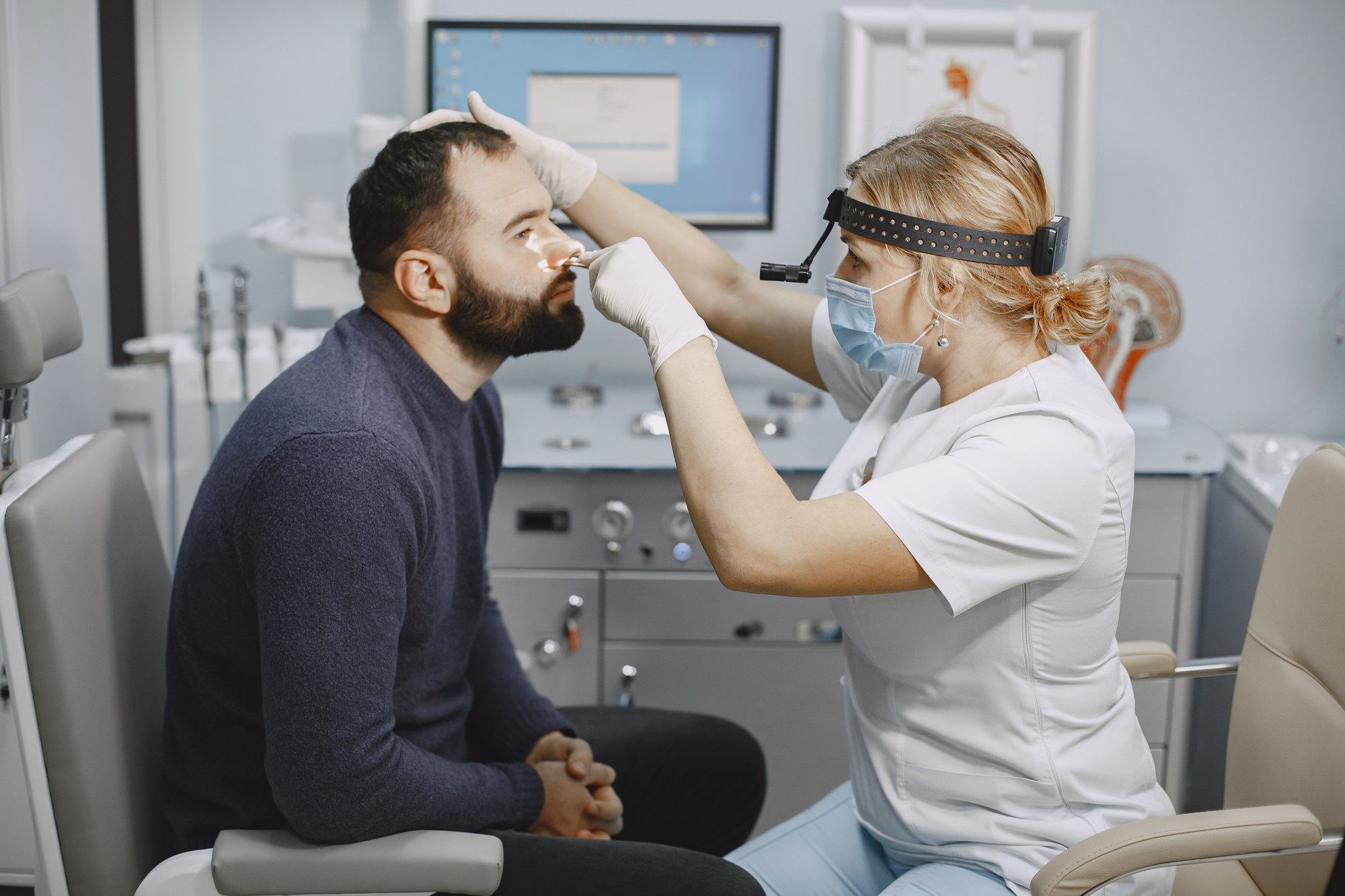
What is Maxillary Sinus Cancer?
Maxillary Sinus Cancer is a rare type of head and neck cancer. It starts in the maxillary sinus, which is a hollow space in your cheekbone. This cancer can affect breathing, chewing, and even vision. Early detection is important. Because symptoms can be mild at first, many people do not notice them right away. However, knowing the signs can help you seek care sooner. According to the World Health Organization (WHO), early treatment improves outcomes.
Common Symptoms
Maxillary Sinus Cancer symptoms can look like other sinus problems. Still, some signs may point to something more serious. If you notice these symptoms, talk to your doctor:
Sometimes, these symptoms can be mild. But if they last more than two weeks, it is wise to seek medical advice.
Causes and Risk Factors
Doctors do not always know what causes Maxillary Sinus Cancer. Yet, some risk factors make it more likely. For example, long-term exposure to certain chemicals can raise your risk. Here are some common risk factors:
Even though these factors increase risk, not everyone with them will get cancer. Likewise, some people with no risk factors may still develop it.
Diagnosis Methods
Doctors use several tests to diagnose Maxillary Sinus Cancer. First, they will ask about your symptoms and medical history. Next, they may do a physical exam of your face and mouth. If cancer is suspected, these tests may follow:
Early diagnosis is key. Therefore, if you have ongoing symptoms, do not delay seeing a specialist.
Treatment Options
Treatment for Maxillary Sinus Cancer depends on the stage and location. Your doctor will create a plan that fits your needs. Common treatment options include:
Sometimes, doctors use a mix of these treatments. For example, surgery may be followed by radiation or chemotherapy. Your care team will explain the best choices for you.
Prevention Tips
While you cannot prevent all cases of Maxillary Sinus Cancer, some steps can lower your risk. Consider these tips:
Additionally, regular check-ups can help catch problems early. Early action often leads to better results.
Lifestyle and Support Guidance
Living with Maxillary Sinus Cancer can be challenging. However, support is available. Here are some ways to cope:
Remember, you are not alone. Many people find comfort in talking with others who understand what they are going through.
In summary, Maxillary Sinus Cancer is rare but serious. Early detection and treatment can make a big difference.
Consult a healthcare specialist at ONCOHEAL Cancer Center for personalized advice on Maxillary Sinus Cancer.