

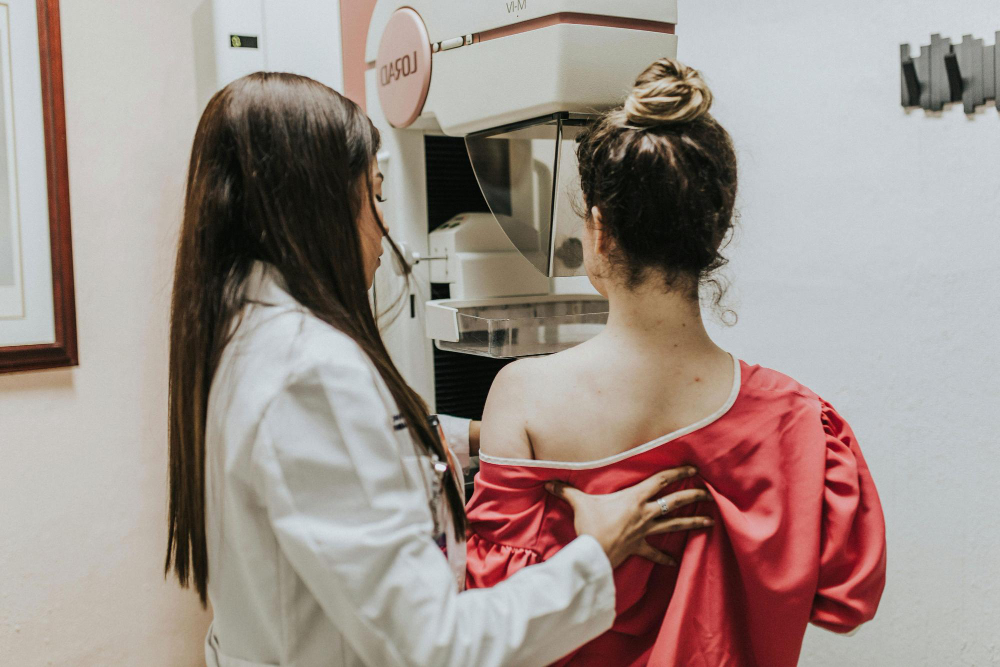
Breast cancer screenings save lives. When found early, breast cancer is easier to treat. Because of this, regular screenings are important for women of all ages. In this blog, we will explain what breast cancer screenings are, why early detection matters, and how you can prepare. We will also share tips and clear up common myths. Understanding these facts can help you make the best choices for your health.
What is Breast Cancer Screening?
Breast cancer screening means checking for cancer before you have symptoms. Usually, doctors use special tests to look for early signs. For example, mammograms are the most common screening tool. These tests help find cancer when it is small and easier to treat. Screening does not prevent cancer, but it can help catch it early.
Why Early Detection Matters
Early detection of breast cancer can save lives. When cancer is found early, treatment is more likely to work. In fact, the American Cancer Society says that women who find breast cancer early have a higher chance of survival. Also, early treatment often means less aggressive care and a quicker recovery. Because of this, regular screenings are very important.
Types of Breast Cancer Screenings
There are several ways to screen for breast cancer. Each method has its own benefits. Here are the most common types:
Who Should Get Screened and When
Screening guidelines can vary by country and health group. In the United States, the U.S. Preventive Services Task Force recommends:
Because every woman is different, it is best to ask your doctor about the right time for you.
How to Prepare for a Screening
Getting ready for a breast cancer screening is simple. Still, a few steps can help make the process easier:
Above all, try to relax. The test is quick and usually not painful.
Benefits and Risks of Screenings
Screenings offer many benefits. For example, they can find cancer early and lower the risk of dying from breast cancer. However, there are some risks to consider:
Even so, most experts agree that the benefits of regular screening outweigh the risks for most women.
Common Myths and Facts
Many myths surround breast cancer screenings. Let’s clear up a few:
Prevention and Lifestyle Tips
While screenings are key, healthy habits can also lower your risk. Here are some tips:
Even though you cannot change some risk factors, healthy choices can make a difference.
Conclusion
In summary, breast cancer screenings are the key to early detection and better outcomes. Because every woman is unique, talk to your healthcare provider about the best screening plan for you. Early action can save lives. Consult a healthcare provider at ONCOHEAL CANCER CENTER to learn more about breast cancer screenings and your personal risk.