

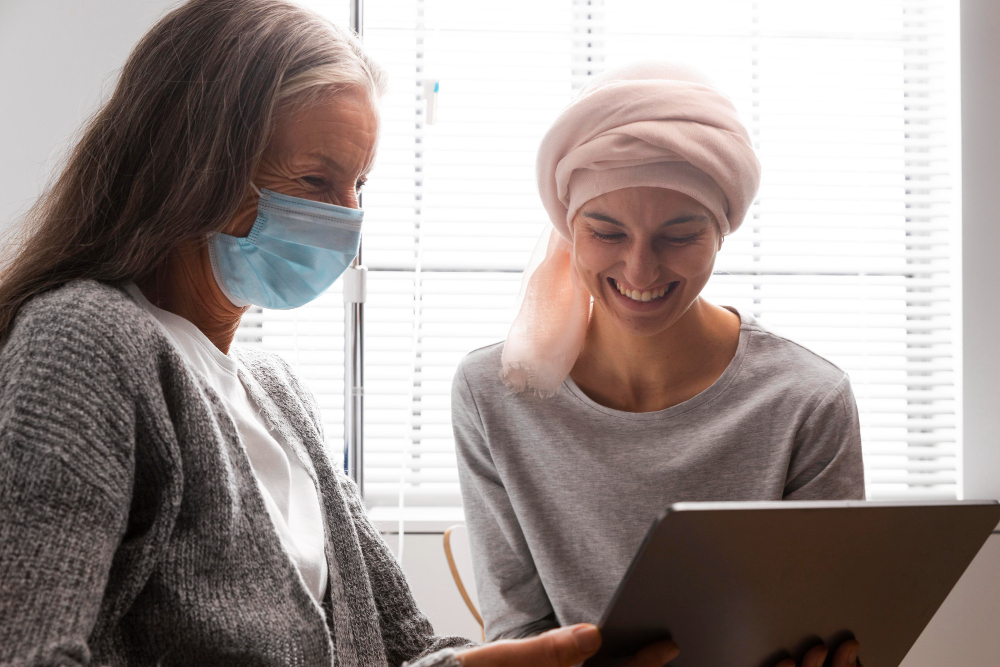
Introduction: The Importance of a Post-Cancer Support Network
After cancer treatment ends, recovery begins. Many survivors find this time both hopeful and challenging. A strong post-cancer support network can make a big difference. Not only does support help with daily needs, but it also boosts emotional health. In fact, studies from the American Cancer Society show that survivors with support feel less alone and recover better. This guide will help you and your loved ones build and maintain a helpful support system.
Types of Support: What Survivors Need
During post-cancer recovery, different types of support are important. Each type helps in its own way. For example, emotional support can lift your mood, while practical help makes daily life easier. Here are the main types:
How to Build and Maintain Your Support Network
Building a post-cancer support network takes time and effort. However, it is worth it. Here are some ways to get started:
Moreover, keep in touch with your network. Regular check-ins help everyone stay connected. If you live in a city or region, look for support groups nearby. For example, search for “support groups in [your city]” to find local meetings.
Benefits of a Strong Support System
Having a strong support system brings many benefits. Not only does it help with daily tasks, but it also improves your mood. According to the CDC, survivors with support feel less stressed and more hopeful. Here are some key benefits:
Tips for Asking for and Offering Help
Sometimes, it is hard to ask for help. But reaching out is important. Here are some tips for both survivors and loved ones:
Overcoming Common Challenges in Seeking Support
Even with good intentions, challenges can arise. For instance, some survivors feel guilty asking for help. Others worry about being a burden. Here are ways to overcome these feelings:
Resources and Organizations for Cancer Survivors
Many groups offer support for cancer survivors. These organizations provide information, counseling, and community. Some helpful resources include:
Preventing Isolation and Promoting Well-Being
Staying connected is key to well-being. Even if you feel tired, try to reach out. For example, a short phone call or text can lift your spirits. Here are more ways to prevent isolation:
Above all, remember that you are not alone. Many people want to help you on your recovery journey.
Conclusion: Take the Next Step
In summary, building a post-cancer support network takes time, but it is worth the effort. With the right support, recovery can feel less lonely and more hopeful. For personalized guidance on building your support network, consult ONCOHEAL CANCER CENTER. Our cancer support specialists are here to help you create a strong and supportive network for your recovery journey.