

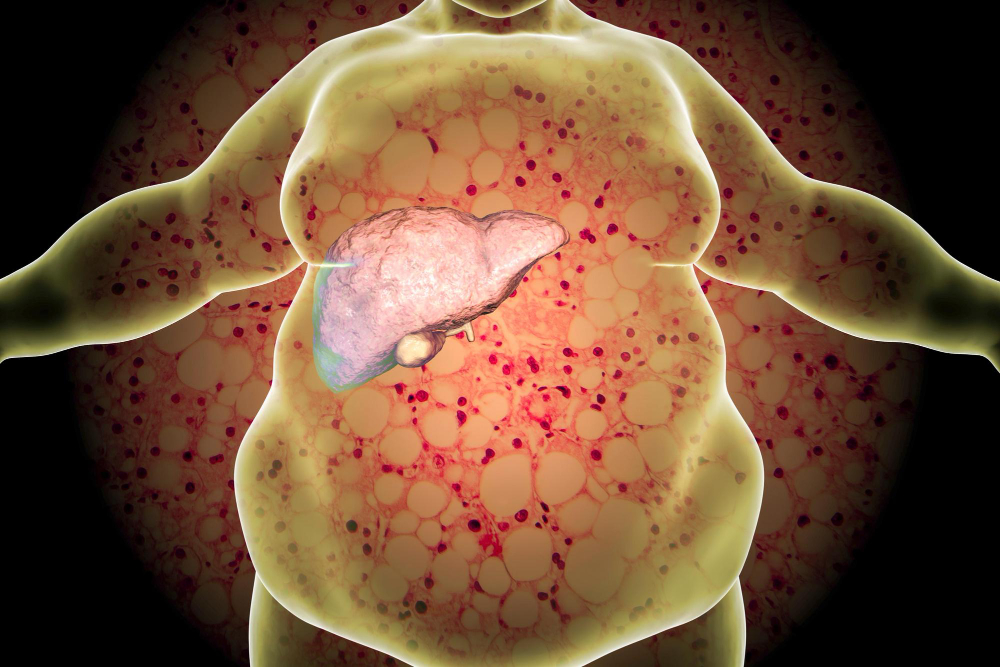
What Is Liver Cancer?
Liver cancer is a disease where cells in the liver grow out of control. The liver is a large organ in your belly that helps your body digest food and remove toxins. When cancer develops in the liver, it can harm these important functions. According to the World Health Organization (WHO), liver cancer is one of the most common cancers worldwide. In many cases, it is linked to other health problems, such as obesity and unhealthy lifestyle habits.
How Obesity Increases Liver Cancer Risk
Obesity means having too much body fat. This can put extra stress on your liver. Over time, fat can build up in the liver, leading to a condition called fatty liver disease. If left untreated, fatty liver disease can cause swelling and scarring. Eventually, this may lead to liver cancer. In fact, studies from the Centers for Disease Control and Prevention (CDC) show that people with obesity have a higher risk of developing liver cancer. Therefore, keeping a healthy weight is important for liver health.
Lifestyle Factors That Contribute to Liver Cancer
Besides obesity, several lifestyle choices can raise your risk of liver cancer. It is important to know these risks so you can make healthy changes. For example, drinking too much alcohol can damage your liver. Smoking also increases your risk. In addition, some infections, like hepatitis B and C, can harm the liver and lead to cancer. Poor diet and lack of exercise make things worse.
Because these risks add up, making even small changes can help reduce liver cancer risk.
Recognizing Symptoms and Early Warning Signs
Liver cancer can be hard to spot early. Often, there are no symptoms at first. However, as the disease grows, you may notice changes. Early detection is key for better outcomes. Watch for these warning signs:
If you notice any of these symptoms, it is important to see a doctor right away. Early treatment can make a big difference.
Prevention Tips and Healthy Lifestyle Choices
Thankfully, you can take steps to lower your risk of liver cancer. Many prevention tips focus on healthy lifestyle changes for liver cancer. For instance, eating a balanced diet and staying active are key. Here are some ways to protect your liver health:
By following these tips, you can help reduce liver cancer risk and improve your overall health.
When to See a Doctor
It is always wise to talk to a healthcare professional if you have concerns about your liver health. For example, if you have risk factors like obesity or a family history of liver disease, regular check-ups are important. If you notice any symptoms listed above, do not wait. Early action can save lives. Your doctor can guide you on liver cancer prevention and suggest lifestyle changes for liver cancer risk reduction.
In summary, obesity and lifestyle risks in liver cancer are serious but manageable. With healthy choices, you can protect your liver and lower your risk. Consult an Oncologist at ONCOHEAL CANCER CENTER for personalized advice on liver cancer prevention and healthy lifestyle changes.