

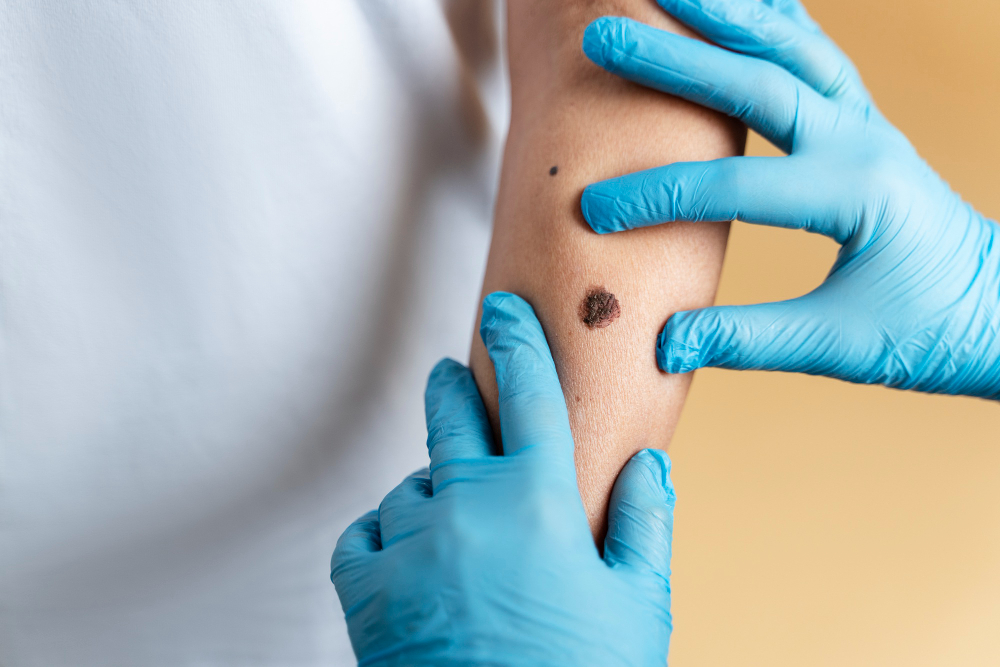
What Is Melanoma?
Melanoma is a serious type of skin cancer. It starts in the cells that give your skin its color. These cells are called melanocytes. Although melanoma is less common than other skin cancers, it can spread quickly. Because of this, early detection is very important. Melanoma can appear anywhere on your body, even in places that do not get much sun.
Why Early Detection Matters
Early detection of melanoma can save lives. When found early, melanoma is easier to treat. In fact, the chances of a full recovery are much higher. However, if melanoma spreads, it becomes harder to treat. Therefore, knowing the skin cancer warning signs is key. Regular skin checks help you spot changes early. This gives you the best chance for a good outcome.
Common Warning Signs of Melanoma
It is important to know the early signs of skin cancer. Melanoma often looks like a new spot or a change in an existing mole. Here are some warning signs you should not ignore:
Additionally, watch for any sore that does not heal, or a spot that itches or bleeds. If you notice any of these melanoma symptoms, take action quickly.
Risk Factors for Melanoma
Some people have a higher risk of melanoma. Knowing your risk can help you stay alert. Common risk factors include:
Even if you do not have these risks, you should still check your skin often. Melanoma can affect anyone.
How to Check Your Skin: Self-Examination Tips
Checking your skin regularly helps with early skin cancer detection. Here are some simple steps for a self-exam:
If you find a new spot or a change in an old one, note it. Take a photo if needed. This helps you track changes over time.
When to See a Doctor
If you notice any warning signs of melanoma, do not wait. Make an appointment with a healthcare specialist. Early signs of skin cancer can be easy to miss, so it is better to be safe. Also, if you have a family history of melanoma, regular check-ups are important. Your doctor can examine your skin and may suggest a biopsy if needed.
Prevention Tips for Skin Cancer
While not all cases can be prevented, you can lower your risk. Here are some melanoma prevention tips:
For more information, visit trusted sources like the CDC or WHO. They offer up-to-date advice on skin cancer prevention.
Conclusion
In summary, knowing the skin cancer warning signs can help you catch melanoma early. Regular self-checks and sun safety are key steps. If you notice any warning signs of melanoma, consult at ONCOHEAL CANCER CENTER for personalized advice.