

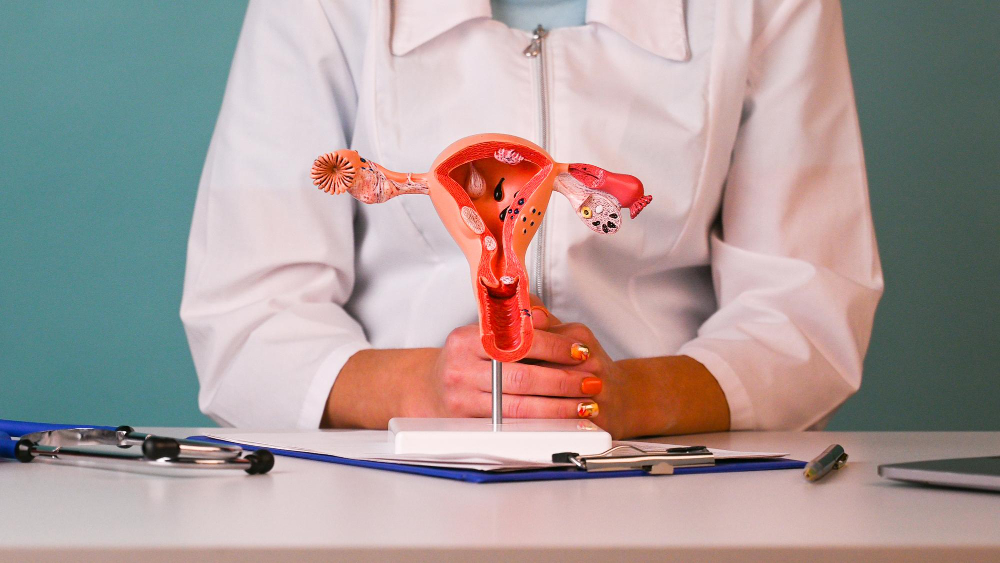
What Is Fallopian Tube Cancer?
Fallopian tube cancer is a rare type of cancer that starts in the fallopian tubes. These tubes connect the ovaries to the uterus. Although it is uncommon, it is important to know about it. Early awareness can help with faster diagnosis and better treatment. Many people may not know the signs, so learning about this cancer is helpful.
Common Symptoms and Warning Signs
Often, fallopian tube cancer symptoms are mild at first. However, some signs can alert you to a problem. Early detection is important, so watch for these symptoms:
Because these symptoms can be caused by other conditions, it is wise to see a doctor if they last more than two weeks.
Main Causes and Risk Factors
Doctors do not know the exact cause of fallopian tube cancer. However, some risk factors can increase your chances. Knowing these can help you stay alert:
Even though these factors raise risk, many people with fallopian tube cancer have no clear risk factors.
Diagnosis of Fallopian Tube Cancer
Diagnosing fallopian tube cancer can be challenging. Often, symptoms are similar to other health issues. Still, doctors use several tests to find the cause:
Because early diagnosis helps, it is important to talk to your doctor if you notice symptoms.
Treatment Options for Fallopian Tube Cancer
Treatment options for fallopian tube cancer depend on the stage and your health. Your doctor will discuss the best plan for you. Common treatments include:
Sometimes, a mix of treatments is needed. Your care team will guide you through each step.
Prevention Tips and Lifestyle Guidance
While you cannot always prevent fallopian tube cancer, some steps may lower your risk. For example, you can:
Although these tips do not guarantee prevention, they support your overall health.
Prognosis and Outlook
The outlook for fallopian tube cancer depends on how early it is found. When caught early, treatment is often more successful. However, because symptoms can be mild, many cases are found at a later stage. Even so, new treatments are helping people live longer and better lives. Your doctor can give you the most accurate outlook based on your situation.
When to See a Doctor
If you notice unusual bleeding, pelvic pain, or other symptoms that last more than two weeks, see your doctor. Early action can make a big difference. Even if your symptoms are mild, it is better to check and be safe.
Conclusion
In summary, fallopian tube cancer is rare but important to understand. Knowing the symptoms, causes, and treatment options can help you stay informed. If you have concerns or notice warning signs, consult at ONCOHEAL CANCER CENTER for personalized advice on fallopian tube cancer.