

What Is Multiple Myeloma?
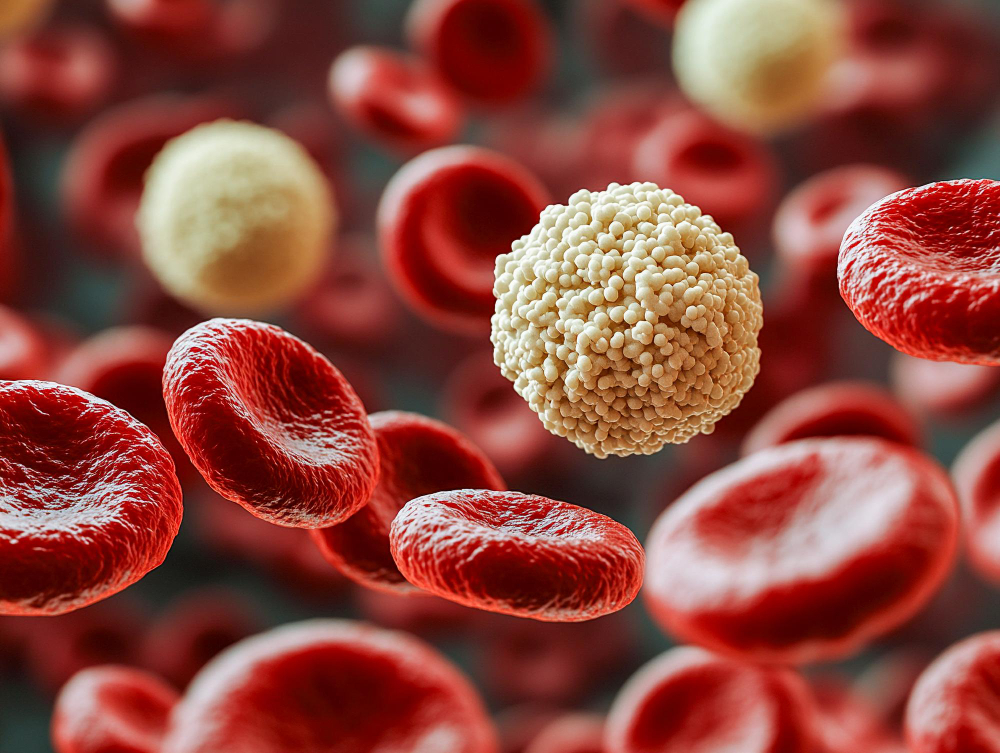
Multiple myeloma is a type of blood cancer. It starts in plasma cells, which are found in your bone marrow. These cells help your body fight infections. However, in multiple myeloma, plasma cells grow out of control. As a result, they can crowd out healthy blood cells. This can lead to many health problems. According to the World Health Organization (WHO), multiple myeloma is a rare but serious condition. Early detection and treatment can help manage the disease.
Common Symptoms of Multiple Myeloma
Many people do not notice symptoms at first. However, as the disease grows, signs may appear. It is important to know the common symptoms of multiple myeloma. This can help you seek help early. Some symptoms include:
Sometimes, symptoms can be mild. But over time, they may get worse. If you notice any of these signs, talk to your doctor.
Causes and Risk Factors
Doctors do not know the exact cause of multiple myeloma. However, some factors can raise your risk. For example, age is important. Most people diagnosed are over 60 years old. In addition, men are more likely to get this cancer than women. Other risk factors include:
Even though these factors increase risk, many people with them never develop the disease. Still, knowing your risk can help you stay alert.
How Is Multiple Myeloma Diagnosed?
Doctors use several tests to diagnose multiple myeloma. First, they may ask about your symptoms and medical history. Next, they will do a physical exam. After that, they may order blood and urine tests. These tests look for signs of abnormal plasma cells. In addition, doctors may use imaging tests, such as X-rays or MRIs, to check your bones. Sometimes, a bone marrow biopsy is needed. This test helps confirm the diagnosis. Early diagnosis is important for better treatment results.
Multiple Myeloma Treatment Options
Treatment for multiple myeloma depends on your health and how advanced the disease is. There are several options. For example, doctors may use:
Sometimes, doctors use a mix of these treatments. Your care team will help choose the best plan for you. New treatments are always being studied. Therefore, you may also have the chance to join a clinical trial.
Lifestyle Guidance for Patients
Living with multiple myeloma can be challenging. However, there are ways to manage your health. For instance, you can:
In addition, joining a support group can help you cope. Remember, you are not alone in this journey.
Prevention and Early Detection Tips
There is no sure way to prevent multiple myeloma. However, early detection can make a big difference. For example, you should:
Although you cannot control all risk factors, staying informed can help you catch problems early.
Conclusion
Multiple myeloma is a serious but manageable disease. With early diagnosis and the right treatment, many people live longer and better lives. If you have questions or notice symptoms, consult a healthcare specialist at ONCOHEAL Cancer Center for personalized advice on multiple myeloma. Schedule your consultation today!